When Sophie's epilepsy took control of her life, she was willing to try anything
I was on a cross-country school run when, all of a sudden, something odd happened. My body stopped dead and I was frozen to the spot like a statue.
My head and eyes were twisted to the right and I couldn’t move or speak.
Just as quickly as it had come on it wore off and my teacher sat down with me until I felt OK again.
Aged 11, I put it down to a strange one-off. But it wasn’t.
After that, it happened again and I started falling to the ground too.
My mum filmed one of my episodes and I was referred to a neurologist.
After scans and tests,
I was diagnosed with epilepsy. It had a huge impact on my life.
‘You won’t be able to go swimming or ride a bike,’ the specialist said. ‘It’s
too risky.’
When I took a shower, I had to leave the door open so my family could hear if
I collapsed.
Even with medication, I was having between four and eight seizures a day and, if I missed a pill, that shot up to 20.
School was a nightmare. Some kids accused me of attention-seeking and, frightened of my seizures,
I couldn’t concentrate and my grades slipped.
I had something called focal cortical dysplasia, similar to a birthmark on the brain. In rare cases it caused epilepsy.
By now, I was on double the adult dose of medication and had tried everything from special diets to electrical head patches.
Then, at last, I was eligible for brain surgery. The surgeon told us there was only a 55% chance of success. Because of where the affected part of my brain was located, there was also a 30% chance I would lose the use of my right arm.
My parents sought other opinions and a neurosurgeon called Mr Richard Selway at King’s College Hospital in London was willing to operate.
But there was a catch.
I’d have to be awake so doctors could keep checking that I could still move that arm while the surgery was in progress.
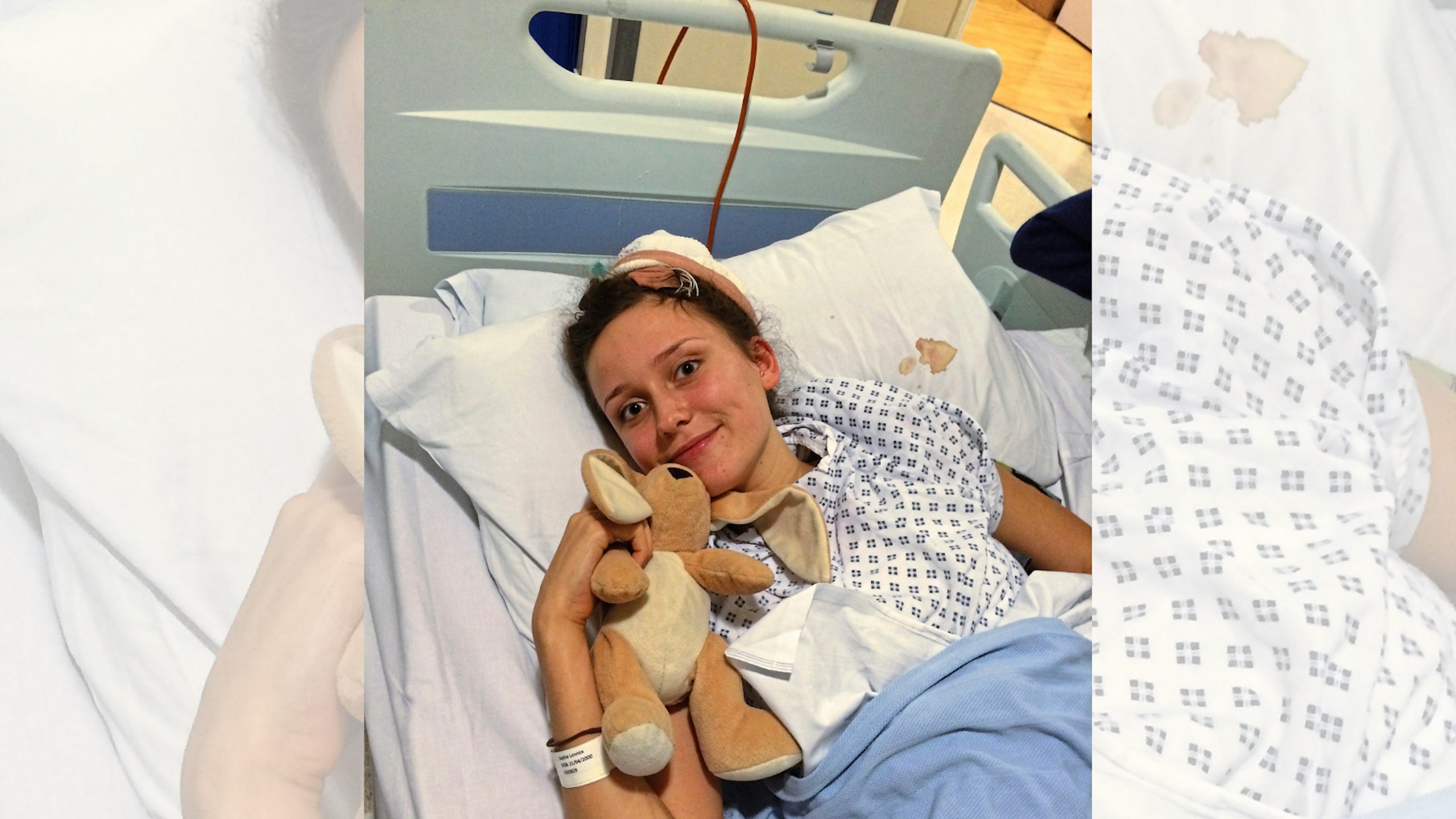
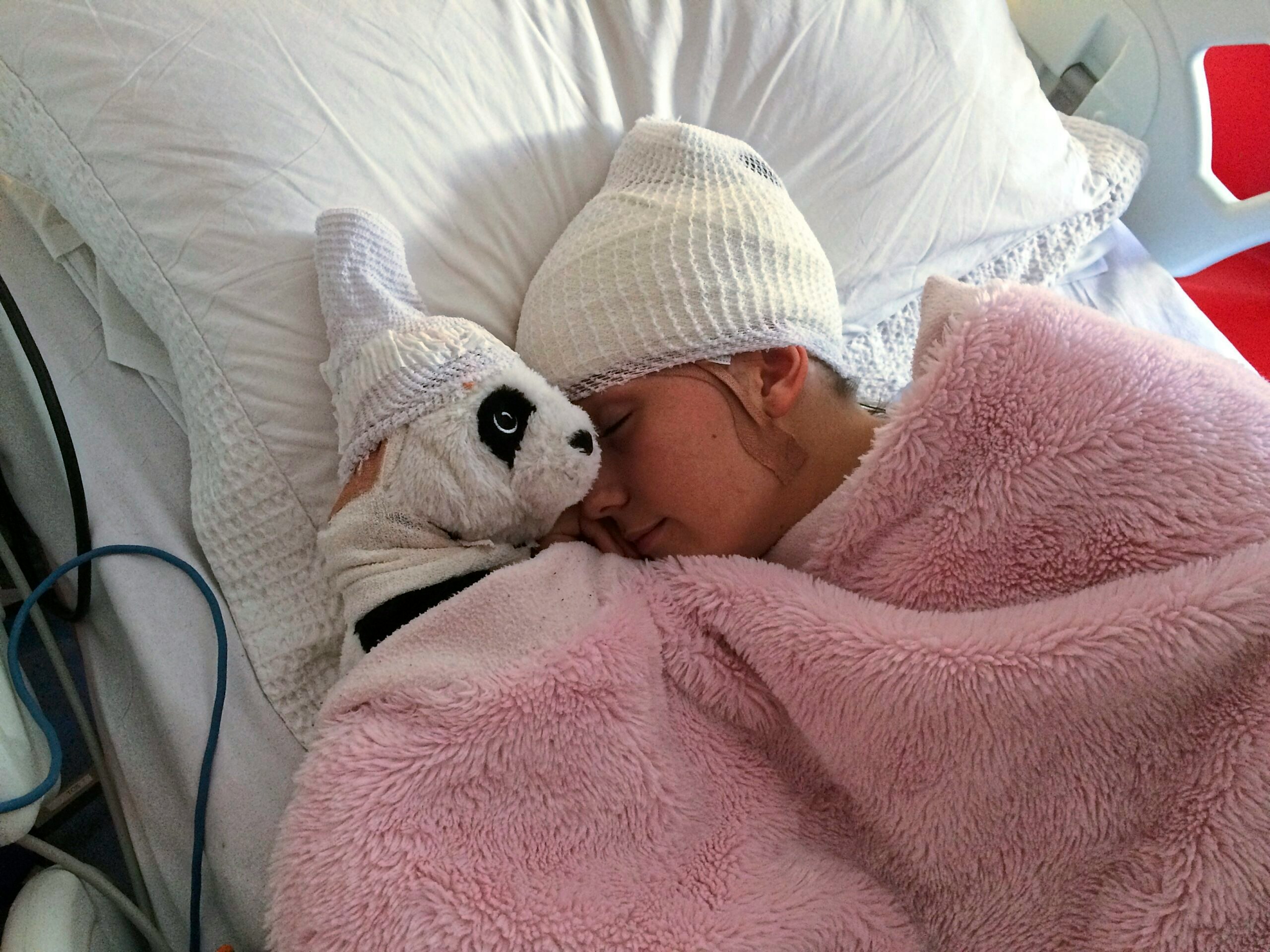
We decided to go ahead and, at the age of 15, I was operated on.
I was one of the first people in the world to have the procedure, only made possible because of pioneering research funded by the charity Action Medical Research.
It worked.
'You won't be able to swim or ride a bike'
Since then, I haven’t had a single seizure and, 10 years on, I have a master’s degree, I’ve gone skydiving, and even mountain biked down Bolivia’s notorious Death Road.
Not bad for a kid who wasn’t even allowed to go swimming!
I owe everything to Action Medical Research. There’s still so much misinformation around epilepsy and the condition badly needs more research.
I just want everyone to get the chance I did.