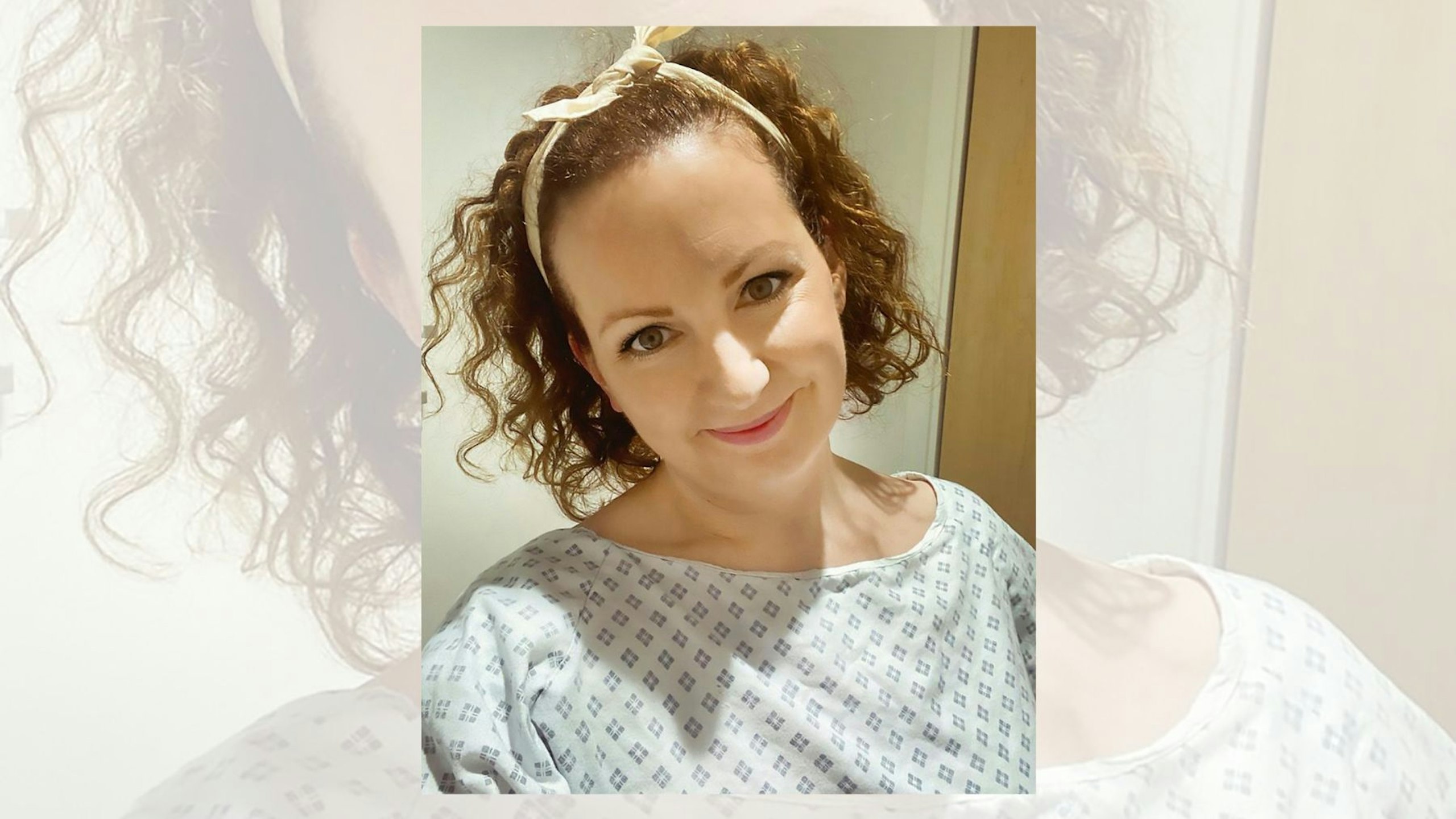
Philippa Zamora, 41, was injured in Nepal’s deadliest earthquake. But that was just the start of her 10-year battle…
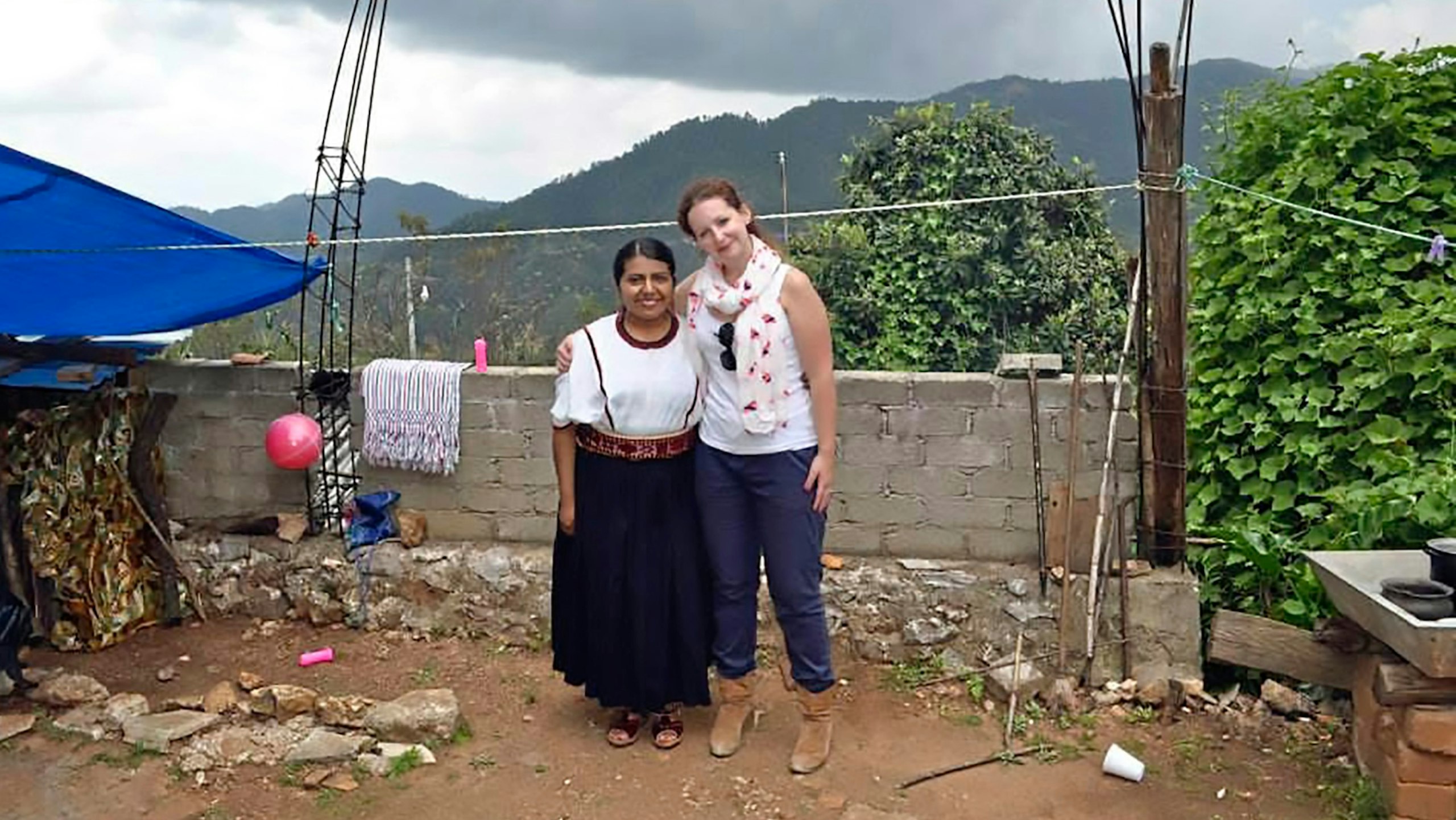
Standing in my hotel lobby in Kathmandu, Nepal, the ground suddenly lifted, and before I knew it, I was being thrown to the marble floor.
All around me, people were falling like dominos, and the air was filled with screams and shattering glass. ‘I’m going to die,’ I thought as I was hurled to the floor. I lived in Mexico and was used to earthquakes, which is what I realised this was. But I’d never experienced anything as bad as this. Desperately, I crawled out of the exit, with a stampede of people behind me, and looked for my colleagues. It was April 2015, I was 32 years old and my team and I had travelled to Nepal for a major conference on farming in developing countries. We were due to leave for India tomorrow for the final part of our trip. None of us could have imagined that we would be caught up in something so devastating.
As the ground finally stopped moving, I reached for my phone with shaking fingers. ‘Please God, can there be signal?’ I prayed. To my relief, the screen lit up and I made two emergency calls to my mum and husband. ‘Don’t talk, just listen,’ I blurted down the phone. ‘There’s been an earthquake but I’ve made it outside and I’m OK.’ I then hung up and let my colleagues make their own calls. The next 24 hours were a blur. While countless buildings across the city collapsed, our hotel was fortunately earthquake proof. We still weren’t allowed inside though, due to the risk of aftershocks, so everyone huddled outside in the freezing cold, as doctors tended to the injured.
'I'm going to die!'
I had a stabbing pain in the left side of my chest where I had landed on the ground, but it was only in the following days, when I was able to fly out to India, that I eventually sought medical help. ‘You have a cracked rib, it should heal with rest,’ the doctor told me. It was then time to go back home to Mexico where my husband, Paco, met me at the airport. For a while afterwards I didn’t leave the house and rested as the doctor advised. But, although my rib healed, the trauma lasted a long time and I didn’t like leaving the house.
Then, around five months after the earthquake, we were invited to a friend’s house party. ‘It might
be good to get out,’ Paco said. ‘OK,’ I nodded. ‘I’ll go.’ But I was distracted. The night before, I was getting ready for bed, when I’d felt a flat, oval disc on my left breast. It was in the same place as I had been struck in the earthquake. ‘It’ll just be damaged scar tissue’ I told myself. But at the party, I got talking to my friend’s dad, who was a radiologist, and he offered to check me there and then. ‘I can’t say for sure, but based on the fact it’s round with defined edges, it looks to me like a fibroadenoma,’ he said. ‘Is it serious?’ I asked, my heart pounding. ‘Fibroadenomas are non-cancerous breast tumours. You shouldn’t need treatment, unless it gets painful,’ he said.
Over the next few weeks, I got another opinion from a doctor who confirmed it was a fibroadenoma. I didn’t give it much more thought after that, even when it grew bigger. Then, after Christmas, I received the devastating news that my brother Michael, 47, had bowel cancer. It was extremely aggressive and within a month, he had passed away. We were all heartbroken. At his funeral, I couldn’t ignore my lump anymore. It had gone from a few cm to 13x8cm, and it was now protruding out of my cleavage. ‘Pip, you need to get that out of your breast,’ Mum pleaded with me after the service. ‘I’ve already lost your brother. I can’t lose you as well.’ ‘It’s just a fibroadenoma, but I will,’ I promised her.
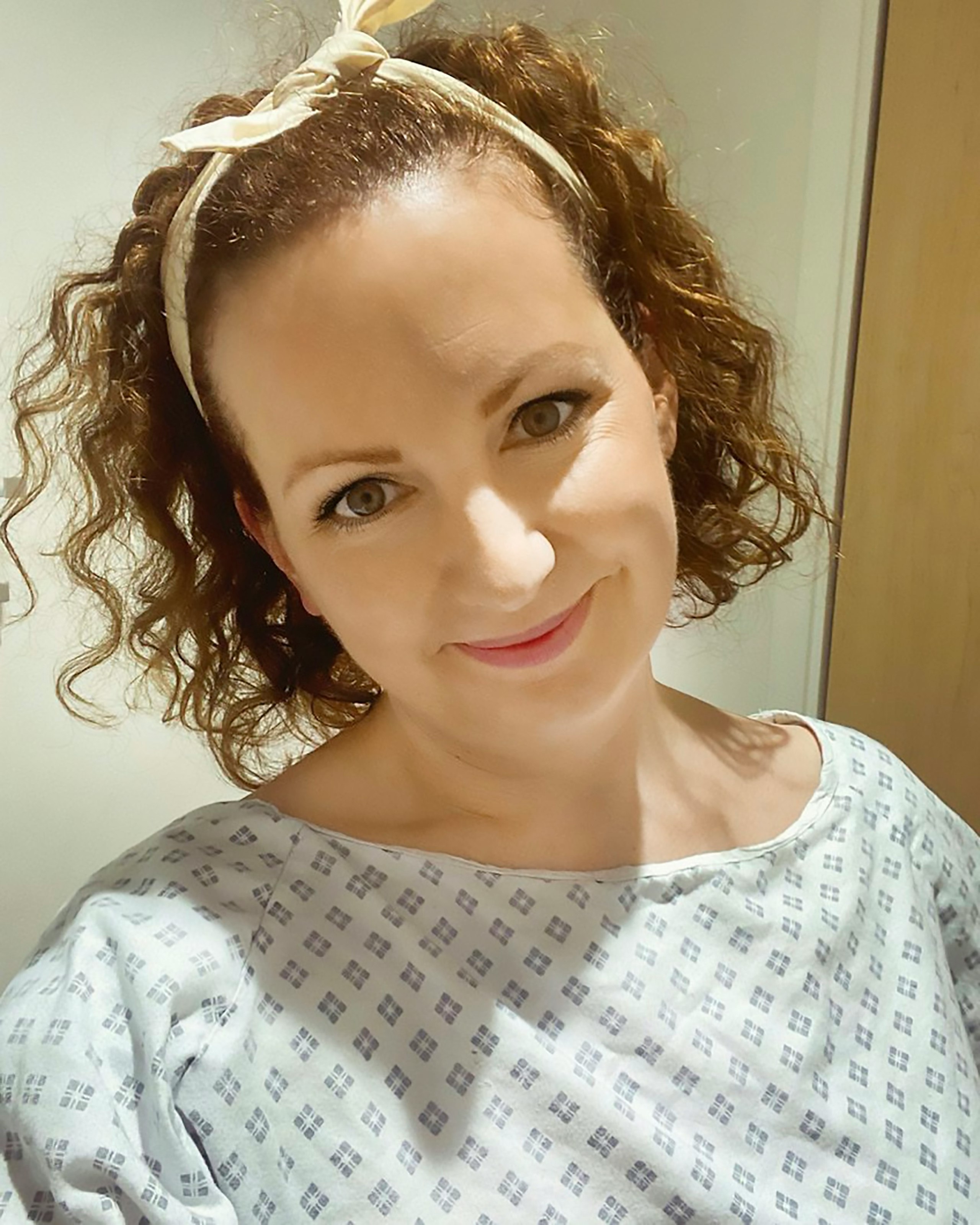
When I got back home to Mexico I contacted an oncological breast plastic surgeon, who agreed to see me after a preliminary mammogram. ‘I have the results,’ he told Paco and I. For a moment, he stared intently at the computer screen. Then he put both of his hands on the table and said, ‘Why have you taken so long to see me?’ I felt sick. ‘I was told it was a fibroadenoma and not to worry,’ I stammered. The surgeon looked grave. ‘This isn’t a fibroadenoma,’ he replied. ‘It’s a Phyllodes – a very rare type of breast tumour that is often mistaken for fibroadenoma, because they look similar. The difference is Phyllodes grow much faster and bigger.’ Holding Paco’s hand, I took a deep breath. ‘How serious is it?’ I said. ‘Most cases are benign,’ the surgeon said. ‘But if this is malignant, it’s really serious. This is an emergency. I will see you on the operating table on Friday at 6am.’
‘I let out a sigh of relief’
The following two days I felt sick and was thinking about all the worst case scenarios. But when I woke up after the surgery, I saw the surgeon smile at me. ‘It’s benign,’ he said. I let out a sigh of relief. ‘It should be fine, but we’ll do an ultrasound in six months to check it hasn’t come back,’ he said. I was so thrilled and felt like I had been given a second chance. Two months later I found out I was expecting our first child. I was concerned that I wouldn’t be
able to do breast checks during pregnancy, but the doctor was reassuring. ‘As soon as you start lactating, the Phyllodes usually don’t come back,’ he said.
When our little boy, Alessio, arrived, I began breastfeeding him, and soon after I had our second child, Zoe. What followed was a four-year period of continuous breastfeeding, during which time we moved to England. Then, six months after I stopped breastfeeding, the lump returned and my nightmare resumed. I had surgery to take out the benign Phyllodes, but within a year it was back, except this time a tiny part was malignant. I had to have a complete double mastectomy as a result of genetic testing, plus radiotherapy for six weeks.
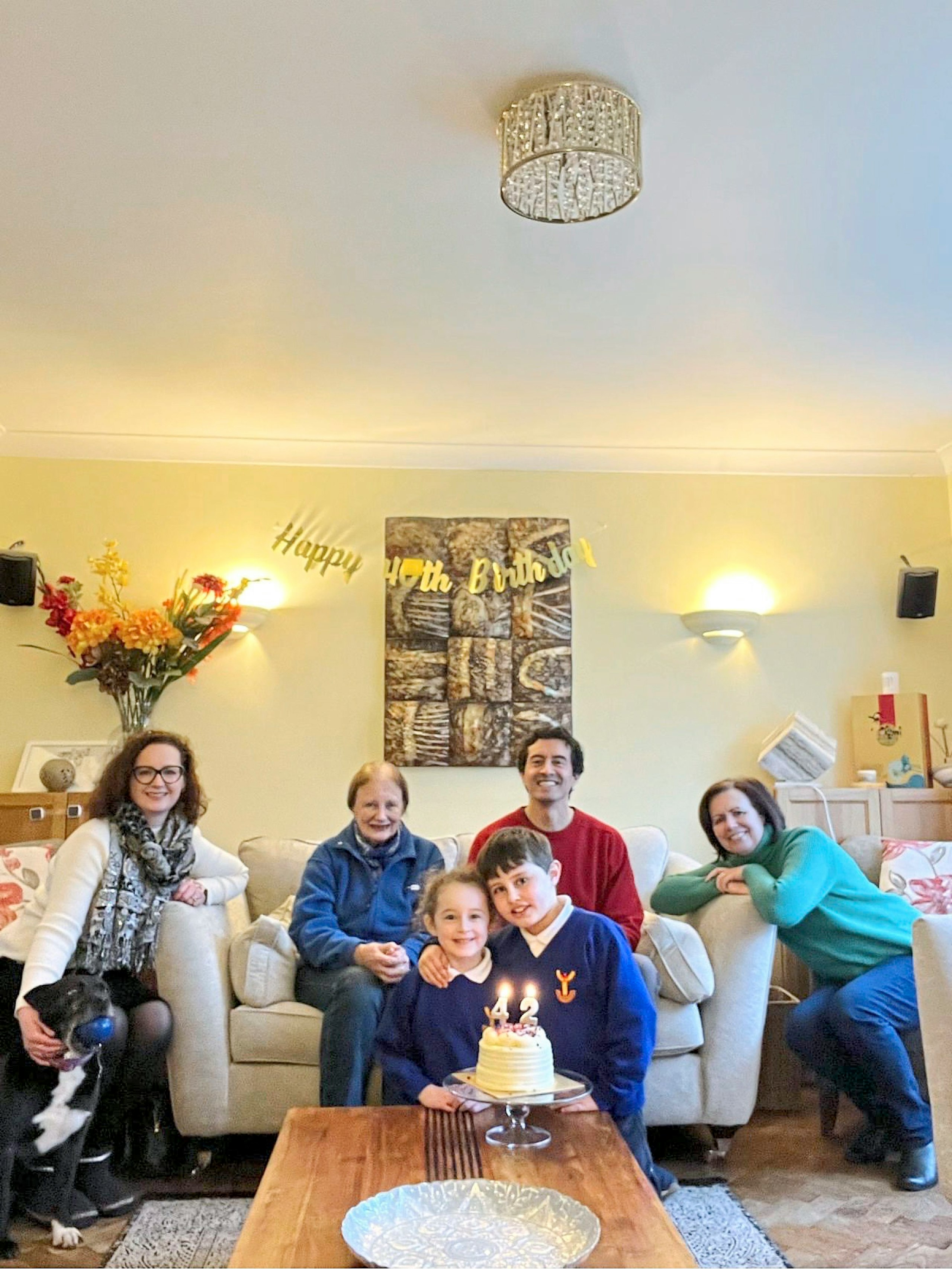
Now, a year on, I finally have the all clear. The last decade has been the toughest of my life. In April 2015, I survived a 7.8 magnitude earthquake that killed 9000 people in Nepal and since then I’ve had Phyllodes, a rare, fast growing tumour, three times. My brushes with death have taught me that life is precious. I am so grateful to be here and make every moment count.
• Philippa and her doctor have now set up a charity to support patients and educate healthcare professionals in better diagnosis and treatment of Phyllodes. For more info, visit phyllodesuk.com (launching soon)