
As the cost of living crisis continued to bite last year, the ‘No Spend Year’ movement went viral. We investigate whether the TikTok trend is worth trying in 2026…
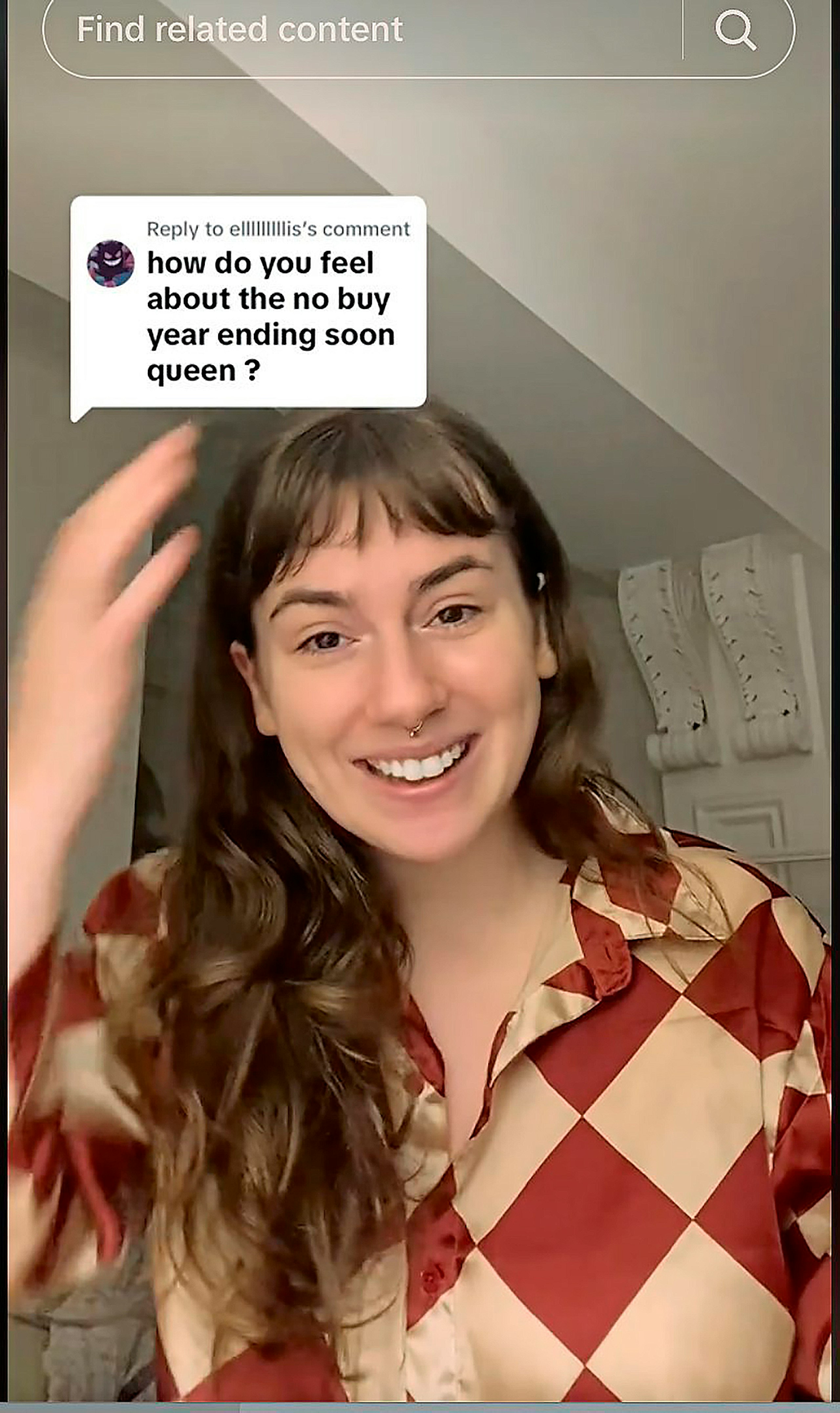
Towards the end of 2023, Mia Westrap found herself having sleepless nights about her finances.
Although not in serious debt, with no savings behind her, Mia – a part-time
PhD student and health and social care worker from Southampton – was always worried about how she’d cope with an unforeseen emergency.
‘I grew up in poverty,’ says Mia, 26. ‘Mum was a single mum of three. Aged 18, I blew my student loan because I had no idea what I was doing in terms of personal finance.
‘Then, throughout my early adult years, I’d end up using
my overdraft at the end of every month. I was sick and tired of the anxiety of constantly wondering, “If an emergency came up today, how would I manage it?”
‘That’s what prompted me
to do a factory reset on my relationship with money.’
For Mia, who earns £34,000 a year, that reset was a ban on all non-essential spending for
365 days, beginning on
1 January 2024.
Although the concept of
a ‘no-spend’ month or year isn’t new, the trend went viral, thanks to TikTok.
There are currently 113 million posts relating to the trend on the video-sharing site. And with figures from
the Money and Pensions Service suggesting around 11.5 million people in the UK have less than £100 in savings, it seems more and more of us are wondering if a curb on discretionary spending, for a set time period, might help.
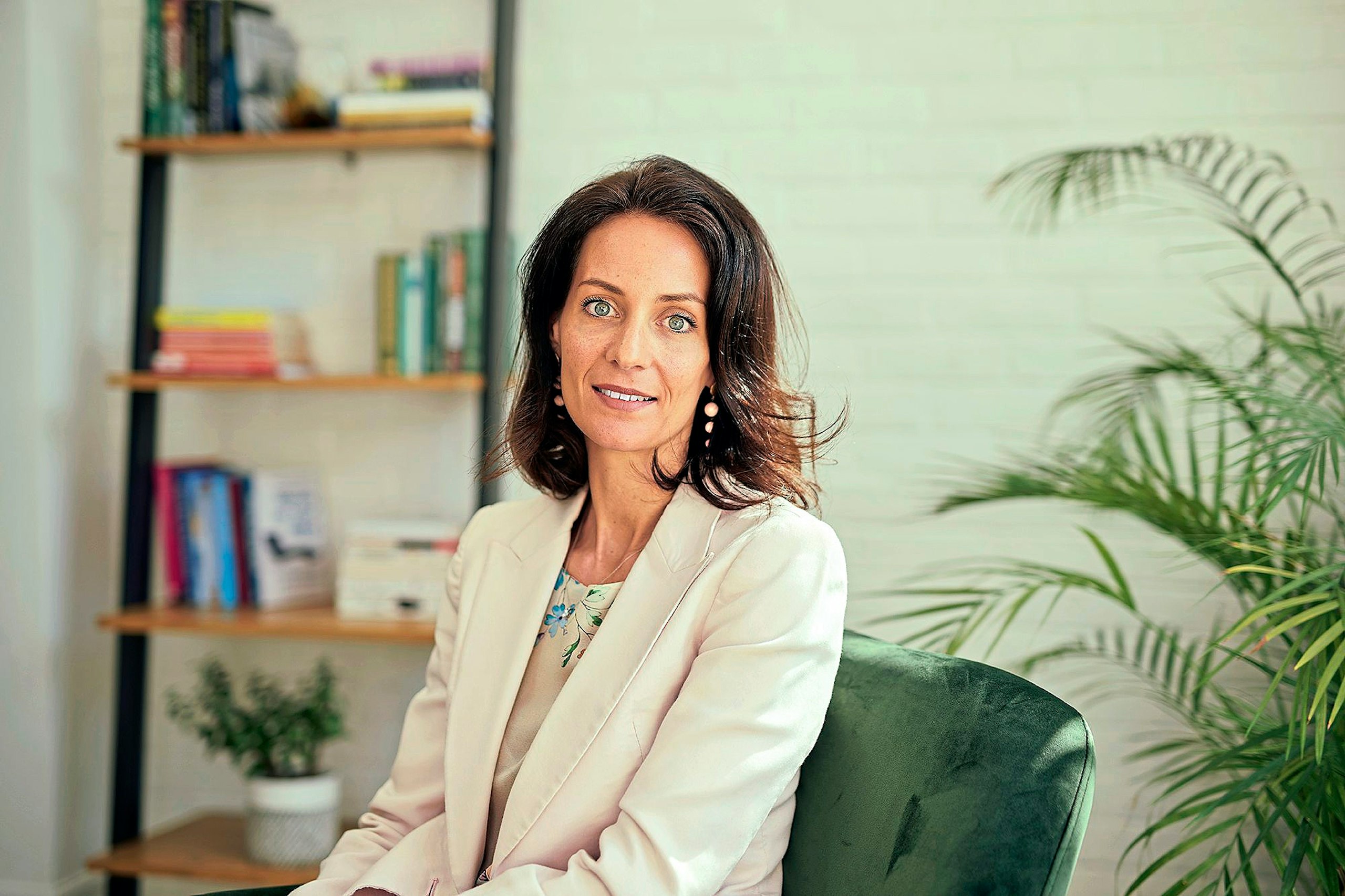
Vicky Reynal, a London-based psychotherapist with a special focus on improving her client’s relationships with money, and author of Money on Your Mind, The Psychology Behind Your Financial Habits, points out that there’s more pressure to spend these days thanks to social media, as well as less opportunity to ‘build thinking’ into the spending process.
She says, ‘Before we had to leave the house and walk to the shops. We had time to be thoughtful – now it’s
all just one click away – 24 hours a day.
‘But I think if you’re considering doing a “no-spend year”, you should be mindful about why. There can be positive motivators, for example we want to save money very quickly or break some unhelpful habits around our spending. It’s all about not taking things too far.’
'It's all just one click away - 24 hours a day'
Vicky believes that a ‘no-spend’ year would be too long – but that a ‘no-spend week’ could bring some interesting insights.
She says, ‘We often spend money to placate discomfort, for example boredom or loneliness. Rather than sitting with our feelings and letting them pass or managing them, we act on them.
‘While spending may provide temporary relief, not only will
the original feelings return, we might also then have the guilt and regret that comes with “emotional” spending.’
Vicky suggests that resisting the temptation to shop for a few days can help identify what feelings you were trying to address through the spending.
‘You can stop and think, How am I feeling right now? Am I in bed, feeling lonely? Am I bored on a Sunday? You can start noticing patterns
and asking yourself, What’s driving the spending?’
It’s an opportunity to find healthier ways to deal with
your feelings.
Vicky adds, ‘Maybe call a friend instead of buying a bag that’s only going to make you feel worse because you’ve overspent again.’
Mia, who initially saw a YouTube video about going ‘no spend’ before trying it herself, says it has been life-changing.
She says, ‘Before, I was too scared to even log into my online banking. I knew I had some problem areas, like buying books and clothes, but I didn’t realise the extent of them.’
In the month leading up to the challenge, she went through her bank statements to assess her current spending and cancel unused subscriptions.
‘I was shocked to find I was spending about four figures a year on Cherry Pepsi Max!’ Mia admits.
Mia then set the rules she’d follow during the challenge, with a traffic-light system. Rent, bills and groceries went on the green list – things Mia could spend freely on.
Mia’s yellow list contained items she could buy, but with a caveat attached.
‘If I ran out of a certain moisturiser, I could repurchase that,’ says Mia, ‘But I couldn’t try new products. It had to be something reliable that I’d use. Everything else went on the red
list, such as shoes, clothes, books, fizzy drinks and meals out.’
Mia admits that she worried about the impact on
her social life, telling friends she’d tag along on nights out,
as long as there was no pressure to spend.
She now takes a water bottle to pubs, or asks a friend to order tap water for her when they’re
at the bar.
Mia says, ‘There’s always a
big group of us spending money, so it doesn’t make much of a difference.’
A year on, Mia has a savings buffer. She’s hoping to hit £10,000 in the next few months, and has the peace of mind that she craved.
More importantly, she says
she now has a toolkit for dealing with money.
She says, ‘Budgeting hadn’t been part of my life before. I needed this year to get back
on my feet and build an emergency fund.
‘I’ve learnt that I have the ability to sit with myself and think about where I’m spending my money. I can also find the excitement in using the things
I already own.’
She adds,
‘I thought I’d be itching for the no-spend year to end, but I don’t think much is going to change. My thought processes going into spending money now are
so much more thought-through.
I won’t be falling back into bad habits.’
● Money on
Your Mind:
The Psychology Behind Your Financial Habits by Vicky
Reynal is available on Amazon.
Find her on Instagram
@vickyreynalpsychotherapy
● Follow Mia on TikTok:
@miawestrap
Mia’s no-spend tips...
● Beforehand, go through
a year’s bank statements to assess your current spending and stop any unused subscriptions.
● Pick a meaningful date to start. Starting on 1 January felt symbolic and allowed
me to see if I could do it for
a full year.
● Get used to carrying a big bag, so you can have water,
a book, coffee and a jacket – anything that you might be tempted to buy while you’re out and about – with you.
● Tell others what you’re doing. With the cost of living crisis, I think a lot of friends have been quite glad that
I’m doing this. Thanks to TikTok I’ve also got a bunch
of people holding me accountable.
● Be kind to yourself. My weight fluctuated in the summer, so I did buy one new outfit for work, but it was a very careful and ‘thought-out’ purchase and I fessed up on TikTok!
● Check your bank account every single day.
Picture credits: Rory Mulvey, TikTok