
Being immersed in virtual reality is supposed to be fun. But just how safe is it? Nina Patel’s experience left her traumatised…
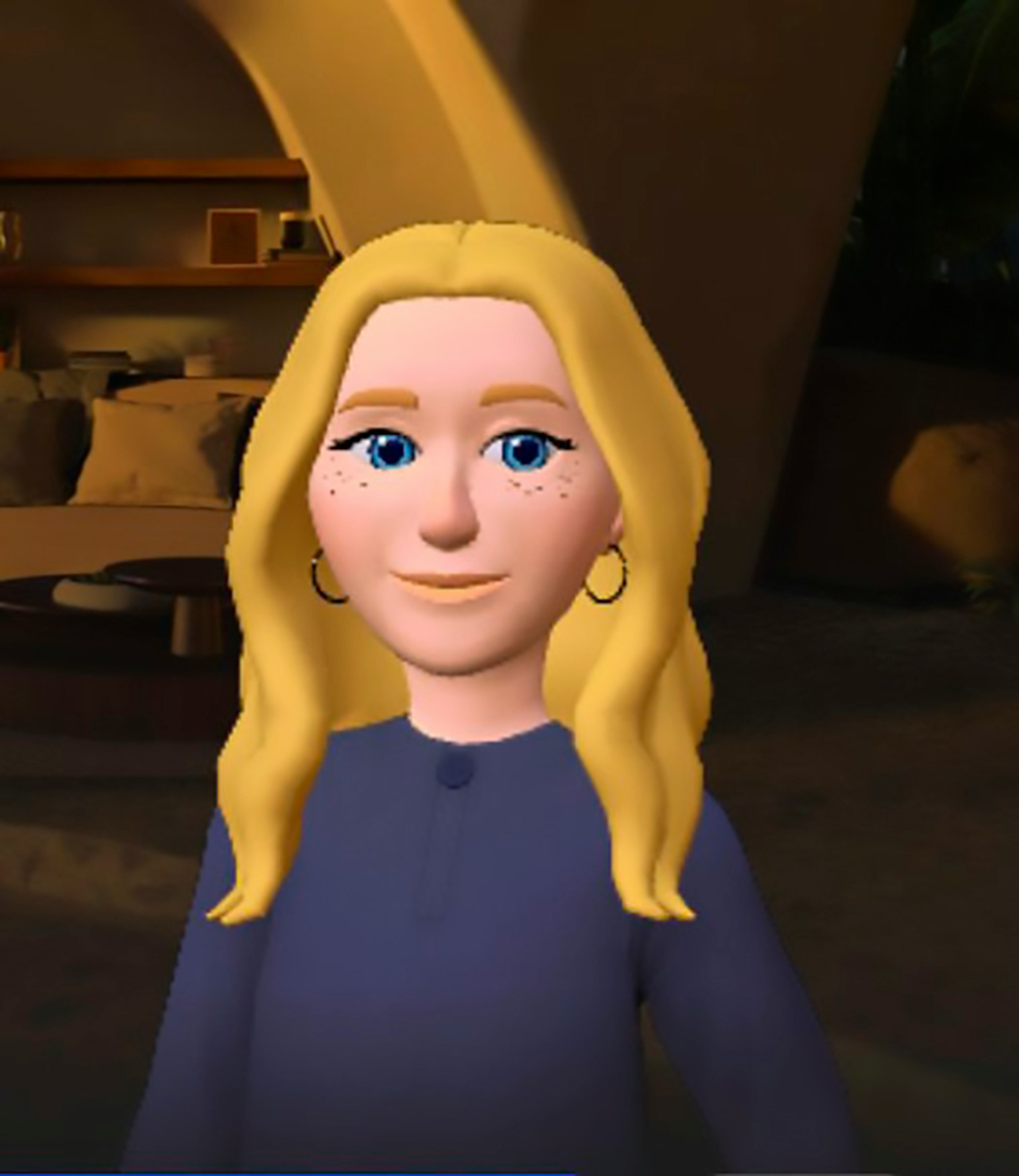
When a new virtual reality game was launched called Horizon Venues, psychotherapist Nina Patel was keen to try it.
The owner of a company which teaches adults and children about safety in the virtual world, Nina was well-versed in the technology.
But when she logged on, she was quickly approached by a gang who sexually harassed and assaulted her avatar – the character that represented her in the virtual world.
‘I know it wasn’t a real-world assault, but it was a traumatic experience,’ says Nina, 45.
One afternoon, Nina was alone at her home in London, waiting for her children to get back from school.
With 20 minutes to spare, and curious to try Horizon Venues, Nina slipped on her VR headset.
‘I gave my avatar blonde hair like me and put her in a long purple dress,’ she explains.
‘I looked in the virtual mirror and waved my arms to test it. When I moved, my avatar moved, and it was even able to match my facial expressions.’
‘One started doing a thrusting motion against my avatar'
Then she went to a portal which beamed her to a space where there were other avatars.
There were several rooms to choose from, each with a different activity, like playing basketball or going to a concert.
‘While I was looking around at what was on offer, three male avatars suddenly approached me and used sexually aggressive language,’ says Nina.
‘They said things like, “We’ll give you what you want”, and before I knew it, they were surrounding me.
Then one of them reached out and put their hands on my avatar’s breasts, while another one put a hand over my mouth.
‘They were smiling and I could hear a voice behind me, but I couldn’t see what they were doing.
I yelled at them to stop and to get off, but they ignored me. I managed to get away, but they ran after and cornered me.’
Shockingly, Nina’s experience wasn’t unique, as instances of sexual harassment in virtual spaces have been reported by 49 per cent of female users.
‘While they all continued touching me, a fourth male came towards us and showed me some photos he’d taken of the attack,’ she says.
‘It meant the person behind the avatar was taking screenshots of it.
‘Then the one in front started doing a thrusting motion against my avatar, mimicking sex, and said, “Don’t pretend you’re not enjoying it”.
‘When I realised they weren’t going to stop, I ripped off my VR headset. They’d approached me within 60 seconds of going into the metaverse, and it had all happened so quickly that, afterwards, I was confused and bewildered.
‘There was no doubt in my mind that my avatar had been sexually assaulted.
‘Because I froze during the encounter, I felt ashamed that I hadn’t done more to stop them.
‘I found myself bursting into tears.
‘When I thought about how I’d have felt if it had happened to any of my kids, I knew I had to go public,’ says Nina.
‘I realised my attackers must’ve planned it.’
Tomer Poran, from software development company, ActiveFence, says, ‘Detecting harms, especially ones generated by “bad-actors” that come to a platform with the intent of doing harm, is a difficult task that platforms, both big and small, have struggled with for over a decade for a variety of reasons.’
When Nina spoke out, Horizon Venues, which later became Horizon Worlds, implemented a change.
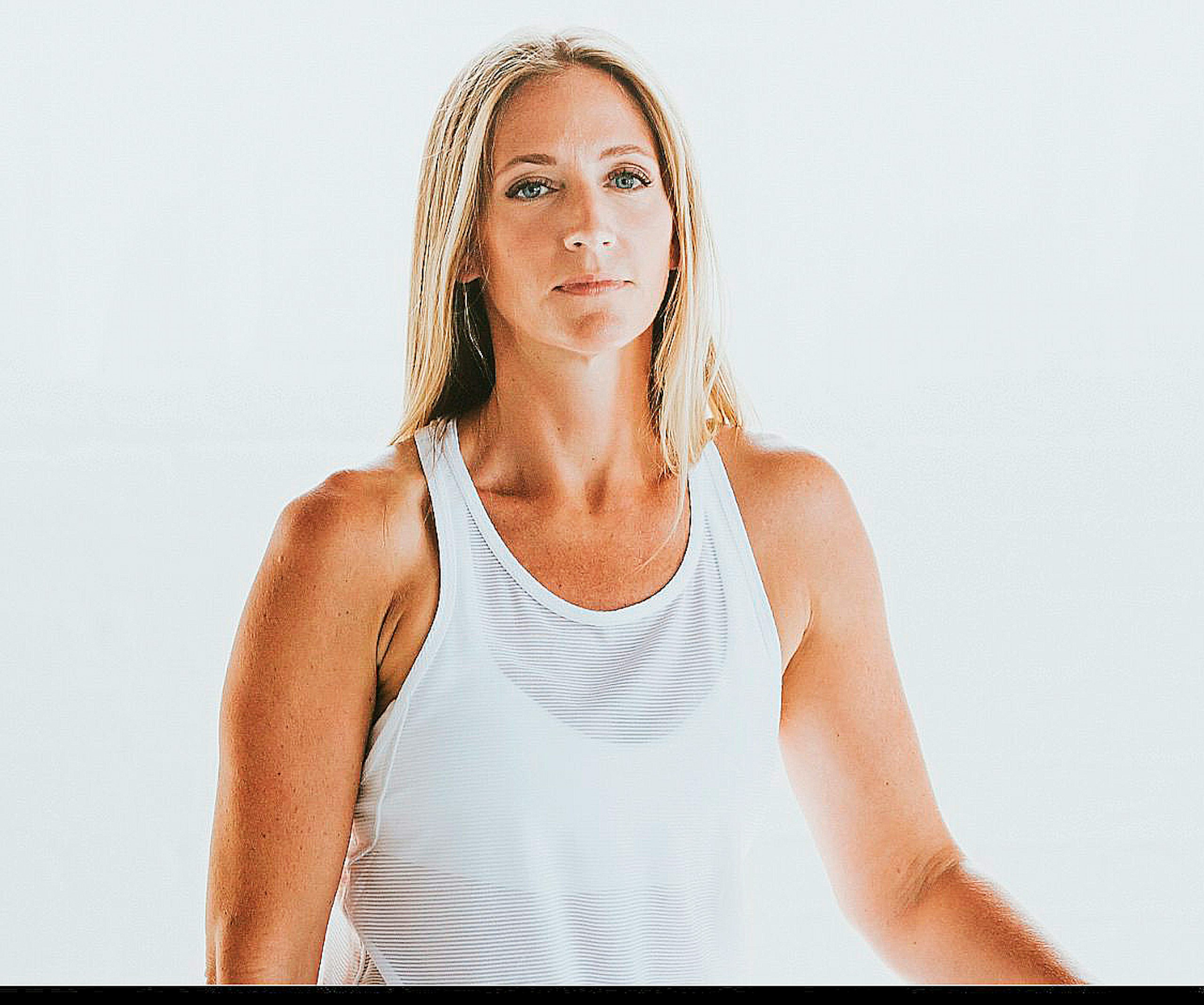
‘They added an optional Personal Boundary feature, so that strangers can’t get within four feet of your avatar,’ says Nina.
‘But even if that had been an option for me, I wouldn’t have had time to turn it on before I was attacked.
‘Some people take advantage of their anonymity in the metaverse to commit crimes without facing repercussions.
‘And in some spaces, being aggressive or violent is even rewarded. I’ve since read about a teenage girl who was raped in the metaverse and reported it to the police, though it never crossed my mind to do that.
‘But my experience did traumatise me to the point where I now only go into virtual spaces where I can be in a private world with friends and family.
‘People saying things like, “Why didn’t you just turn your headset off?” doesn’t address the real issue, which is that there aren’t enough safety measures in place to prevent assaults happening in the metaverse, particularly to women and children.
‘Studies show that when a traumatic event happens in a virtual reality, the body experiences the same physiological effects as if it were real.'
‘The metaverse is supposed to be an enjoyable, immersive experience, and for most people it is,’ says Nina.
‘But companies should have a responsibility to look after their users.
‘My ordeal has spurred me on to raise more awareness and try to prevent people going through what I did.’
Pictures: Kate Likhotin, Meta Horizon Worlds
Horizon Worlds says:
‘Meta works with over 500 women’s-safety NGOs around the world, through regional round tables and during the United Nations Commission on the Status of Women, to get ongoing feedback on our safety tools and collaborate with civil society experts, to make all online spaces welcoming and safe for everyone.’
How to stay safe
Before using a virtual reality platform, do some research and check reviews.
Report any inappropriate incidents to the platform’s administrators and block the perpetrator if you can.
Before you go into a VR space, find out if they have a policy for reporting incidents. If they don’t, it’s not safe.
When your child logs on, explore the VR with them, so you’re aware of how safe it feels.
Visit childnet.com for support and advice about keeping your child safe online and in VR spaces.